Get Termite Damage Repair Service
Local contractors offer termite damage repair services to fix structural issues, replace damaged wood, and restore property safety caused by termite infestations.
Property owners dealing with potential termite damage often find it helpful to explore specialized repair services to protect their investments. Whether addressing existing damage or planning preventative measures, connecting with experienced local contractors can provide valuable insights and options tailored to specific property needs. Staying informed about available services ensures that property maintenance and repair projects are approached with confidence and clarity.
Exploring termite damage repair services is an important step for those looking to preserve the integrity of their buildings. Comparing local contractors can help property owners identify professionals with the right expertise and experience to handle the unique challenges of termite-related issues. Continuing to read can assist in understanding the benefits of working with trusted service providers in the area.
- Termite Damage Repair - when structural wood has been compromised by termite activity and needs restoration.
- Wood Replacement - when infested or weakened wood components require removal and replacement to restore integrity.
- Structural Reinforcement - when termite damage has caused stability issues that demand professional reinforcement.
- Damage Assessment - when homeowners suspect termite activity and need a thorough evaluation of potential damage.
- Preventive Treatments - when seeking to protect a property from future termite infestations and related damage.

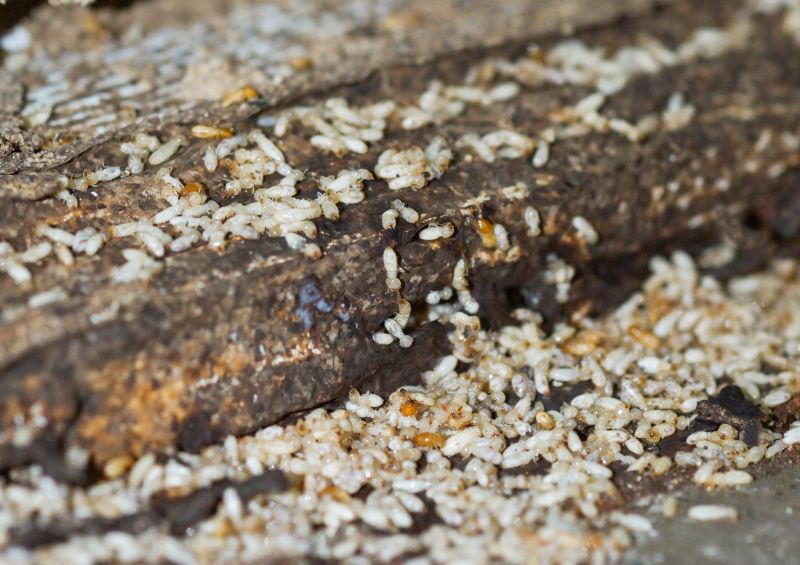
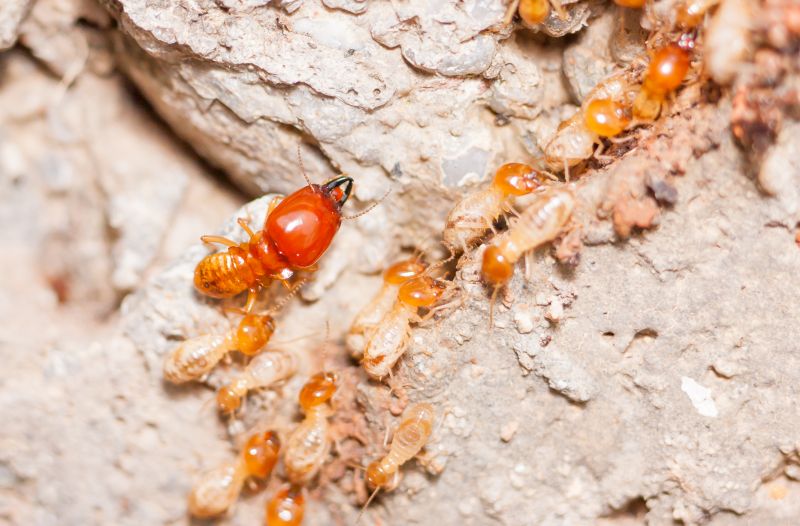
Termite damage repair services involve assessing and restoring properties affected by termite infestations. When termites tunnel through wood, drywall, or other structural components, they can cause significant damage that compromises the integrity of a building. Skilled service providers inspect the property to identify areas of active infestation and the extent of structural harm. After evaluation, they perform repairs that may include replacing damaged wood, reinforcing weakened structures, and sealing entry points to prevent future invasions. This process helps restore the safety, stability, and appearance of the property, ensuring it remains a secure living space.
These services are particularly valuable for addressing problems such as hollowed-out wood, sagging floors, cracked drywall, or weakened support beams caused by termite activity. Left untreated, termite damage can lead to costly repairs and even structural failure. Repair professionals not only fix existing damage but can also recommend measures to eliminate ongoing infestations. This often involves applying targeted treatments to eradicate termites and implementing preventative strategies to protect the property from future attacks, ultimately safeguarding the investment in the home.
Termite damage repair services are commonly used in a variety of property types, including single-family homes, multi-unit residential buildings, and even commercial structures. Homes with wooden framing, siding, or foundation elements are especially susceptible to termite damage. Older properties or those located in areas with high termite activity are more likely to require these services. Property owners who notice signs of termite activity or suspect hidden damage should consider consulting local contractors who specialize in termite repair, as early intervention can prevent more extensive and expensive repairs down the line.
Anyone who observes signs of termite infestation or notices structural issues like sagging floors, damaged wood, or unusual holes should contact local service providers specializing in termite damage repair. These professionals can conduct thorough inspections, determine the scope of damage, and recommend appropriate repair solutions. Timely attention to termite-related problems helps maintain the safety, value, and longevity of the property. Connecting with experienced local contractors ensures that damage is properly addressed and that preventative measures are put in place to protect against future termite activity.
The overview below groups typical Termite Damage Repair Service projects into broad ranges so you can see how smaller, mid-sized, and larger jobs often compare in your area.
In many markets, a large share of routine jobs stays in the lower and middle ranges, while only a smaller percentage of projects moves into the highest bands when the work is more complex or site conditions are harder than average.
Smaller Repairs - Typical costs for minor termite damage repairs range from $250 to $600. Many routine jobs fall within this range, covering localized damage to wood or small sections of affected material.
Moderate Repairs - For more extensive damage, local contractors often charge between $1,000 and $3,000. Projects of this size are common and may involve replacing larger sections of wood or framing.
Major Restoration - Larger, more complex projects can reach $4,000 to $8,000 or more. These jobs usually involve significant structural repairs or extensive damage across multiple areas.
Full Replacement - Complete replacement of damaged structures can cost $10,000 or higher. While less frequent, these projects are necessary for severe damage requiring comprehensive rebuilding efforts.
Actual totals will depend on details like access to the work area, the scope of the project, and the materials selected, so use these as general starting points rather than exact figures.
Dry Rot Repair - involves assessing and repairing wood damage caused by fungi, similar to identifying and fixing termite-related structural issues.
Foundation Crack Repair - requires planning and executing repairs to structural elements, paralleling the work involved in restoring damaged building foundations from termite activity.
Wood Rot Restoration - focuses on replacing or treating decayed wood, which aligns with removing and replacing termite-affected timber.
Structural Reinforcement - includes strengthening weakened building components, comparable to reinforcing structures after termite damage.
Mold and Mildew Remediation - involves identifying and removing mold growth, similar to detecting and addressing hidden damage caused by termites.
Pest Damage Repair - covers fixing damage caused by various pests, including insects that compromise wood, akin to termite damage restoration work.
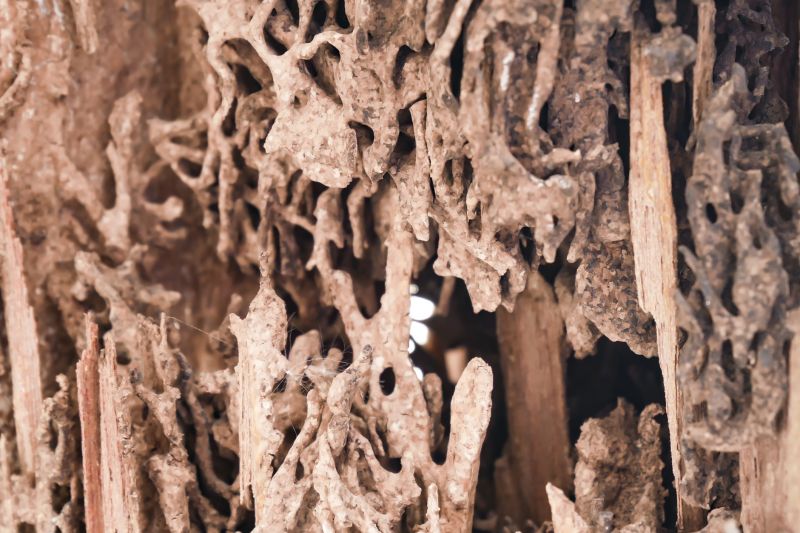
When comparing service providers for termite damage repair, it is important to consider their experience with similar projects. Homeowners should look for local contractors who have a proven track record of successfully handling repairs related to termite damage in residential settings. An experienced professional will be familiar with common issues that arise from termite infestations and will know how to address them effectively, reducing the likelihood of future problems. Gathering information about a contractor’s previous work can help ensure that the chosen service provider has the necessary background to manage the scope and complexity of the repair.
Clear written expectations are essential when selecting a termite damage repair service. Homeowners should seek out providers who can provide detailed descriptions of the scope of work, materials to be used, and the steps involved in the repair process. Having a well-defined plan helps prevent misunderstandings and ensures that both parties are aligned on what the project entails. Service providers who communicate expectations clearly and in writing demonstrate professionalism and transparency, making it easier for homeowners to evaluate the quality and reliability of their services.
Reputation and communication are key factors in choosing the right local contractors. Homeowners are encouraged to review references or testimonials from previous clients to gauge the quality of work and customer service. Good communication from a service provider involves prompt responses to questions, clear explanations of the repair process, and a willingness to address concerns throughout the project. By focusing on providers with reputable references and strong communication skills, homeowners can feel more confident in selecting a professional who will deliver dependable and responsive service for termite damage repairs.
Property owners use Termite Damage Repair Service services for practical projects around their homes and businesses. This guide focuses on everyday jobs and straightforward project options.
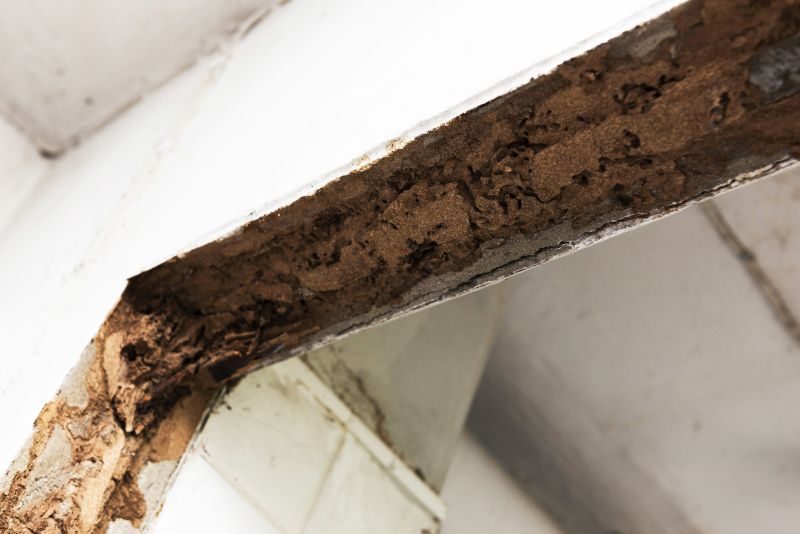
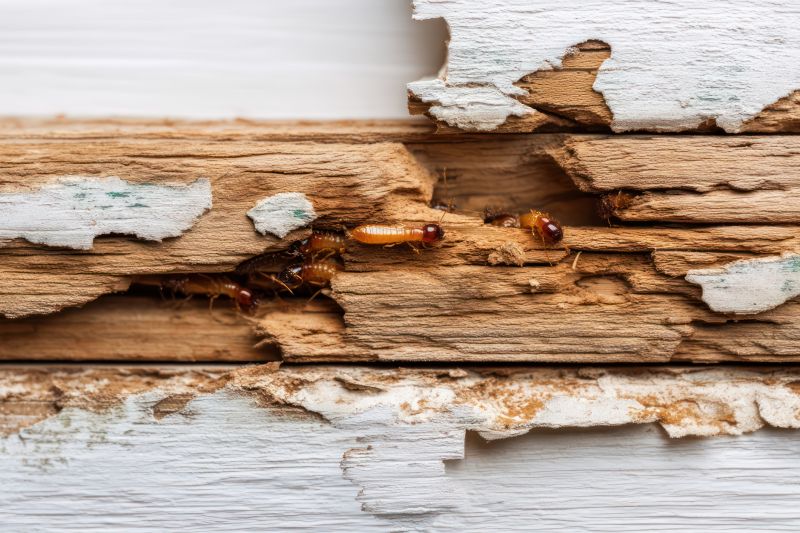
Property owners in the area often seek termite damage repair services after noticing signs of infestation, such as weakened wood structures, sagging floors, or visible tunnels. These issues can arise from ongoing termite activity or past damage that requires professional assessment and restoration. Local contractors are available to evaluate the extent of the damage and provide solutions to restore the integrity of the property, helping owners maintain a safe and stable living or working environment.
In addition, many property owners look for termite damage repair when preparing to sell or refinance a property, as potential buyers or lenders may require proof that any previous pest-related issues have been addressed. Other common reasons include discovering damage during routine inspections or after storms that expose weakened areas. Service providers in the area can handle repairs efficiently, offering options to repair or replace affected materials to prevent further deterioration.
What types of termite damage repair services are available? Local contractors offer a range of services including wood repair, structural reinforcement, and treatment to address existing termite damage and prevent future infestations.
How can I tell if my property has termite damage? Signs of termite damage include hollowed or weakened wood, mud tubes along walls or foundations, and small holes or discarded wings near wood surfaces.
What materials do service providers typically use for termite damage repair? Repair materials often include treated wood, epoxy fillers, and structural supports to restore integrity and prevent further damage.
Are there specific areas of a property that are more vulnerable to termite damage? Commonly affected areas include basements, crawl spaces, wooden fences, and areas with excess moisture or wood-to-ground contact.
How do local service providers approach termite damage repair projects? Contractors assess the extent of damage, develop a repair plan, and implement appropriate structural and treatment solutions to restore the property.
Identify and assess termite damage - Property owners can have local contractors evaluate areas of concern to determine the extent of termite-related harm.
Schedule repairs for damaged structures - Homeowners can arrange for local pros to restore or replace wood and other materials affected by termites.
Implement preventative measures - Property owners can work with local service providers to treat and reinforce structures against future termite infestations.
Inspect and maintain property regularly - Routine checks by local contractors can help catch early signs of termite damage and ensure ongoing protection.
If you are thinking about Termite Damage Repair Service for a property, this guide is meant to help you understand the work, the typical project types, and how different options might fit your plans.
When you are ready, you can use the quote form on this page to share a few details about your project. From there, local pros can review the basics and respond with options that match what you have in mind.