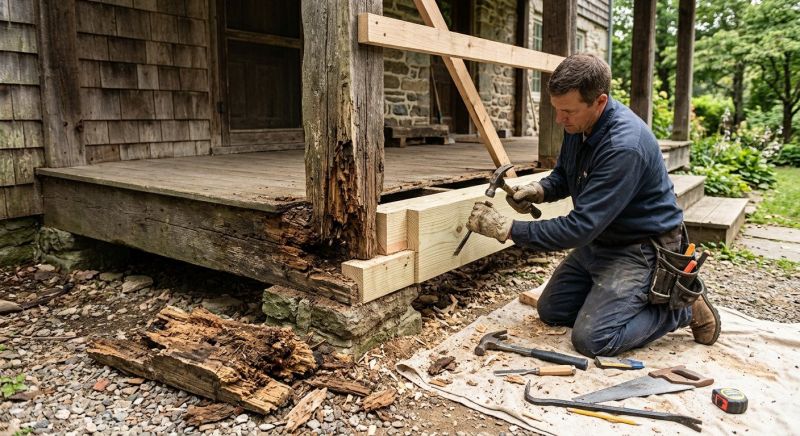
Wood Decay Removal in Kansas City, KS
Wood decay removal services focus on identifying and eliminating damaged or rotting wood components in residential properties. This includes treating areas affected by fungi, moisture intrusion, or insect activity that compromise the structural integrity of features such as decks, porches, fences, and siding. Property owners typically seek this service to prevent further deterioration, maintain safety, and preserve the appearance of their homes. Understanding the extent of the decay, the types of wood involved, and the best methods for treatment are common considerations before requesting removal services.
Before requesting wood decay removal, homeowners often want to know what the process involves, including whether affected wood needs to be replaced or if treatment can restore the existing material. It’s also useful to understand the causes of decay, such as moisture issues or pests, to prevent future problems. Clarifying the scope of work, potential repairs, and maintenance recommendations can help property owners make informed decisions about protecting their investment and ensuring long-term durability of their wood structures.
Many property owners in Kansas City, KS look into Wood Decay Removal for repairs, replacements, upgrades, and appearance-related improvements.
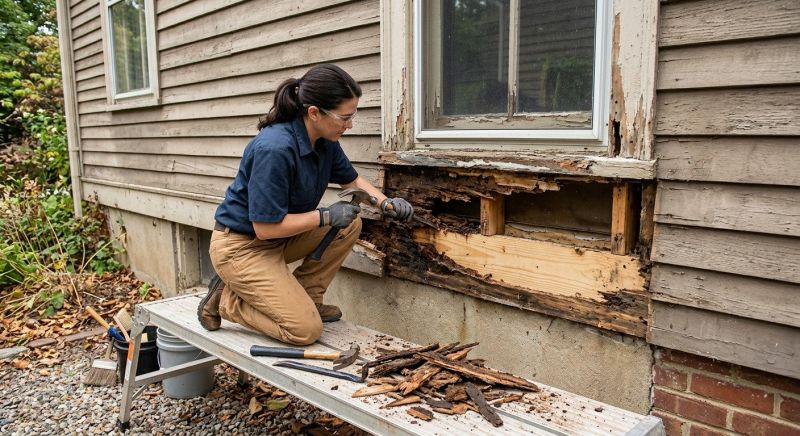
Identifying Wood Decay
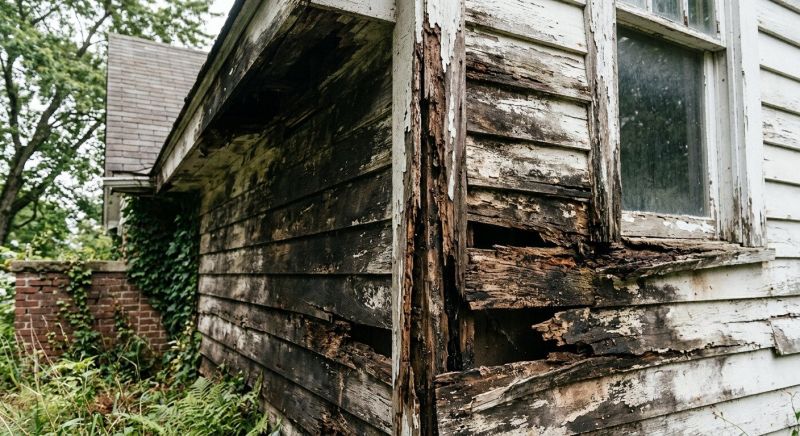
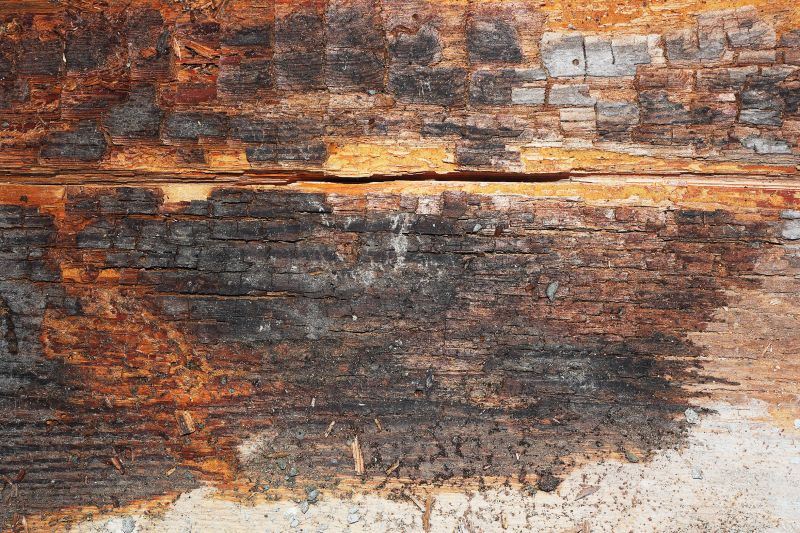
Signs of wood decay include soft spots, discoloration, and weakened structural integrity in your property.
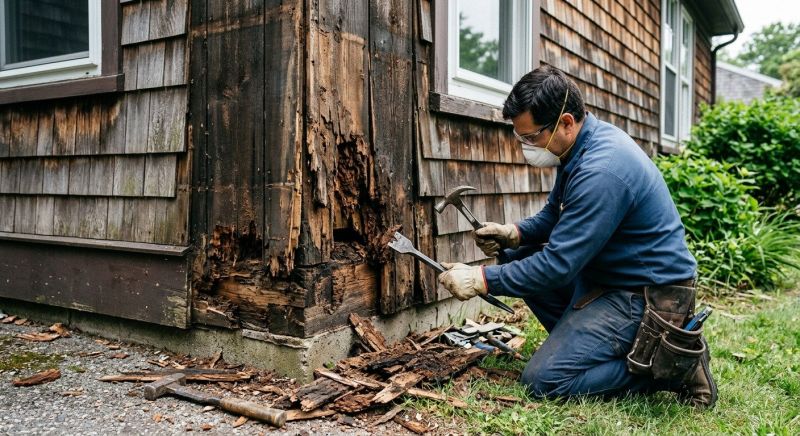
Common Causes Of Decay
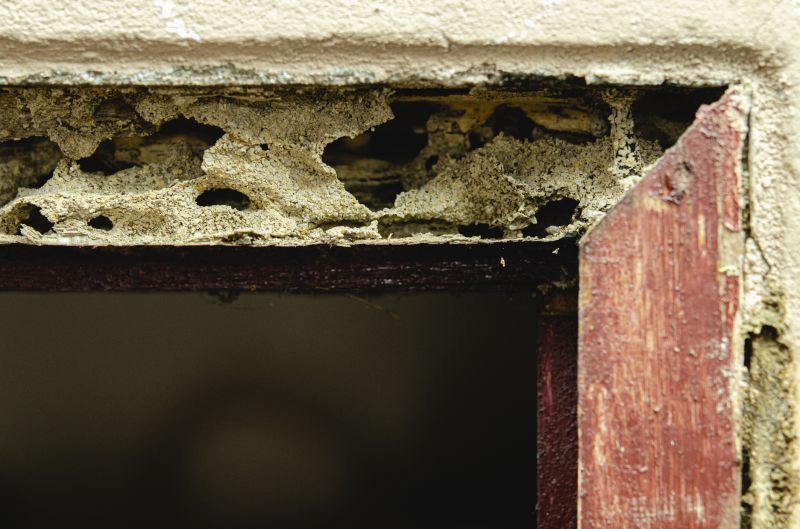
Excess moisture, poor ventilation, and wood-inhabiting pests often contribute to wood deterioration in kansas city, ks.
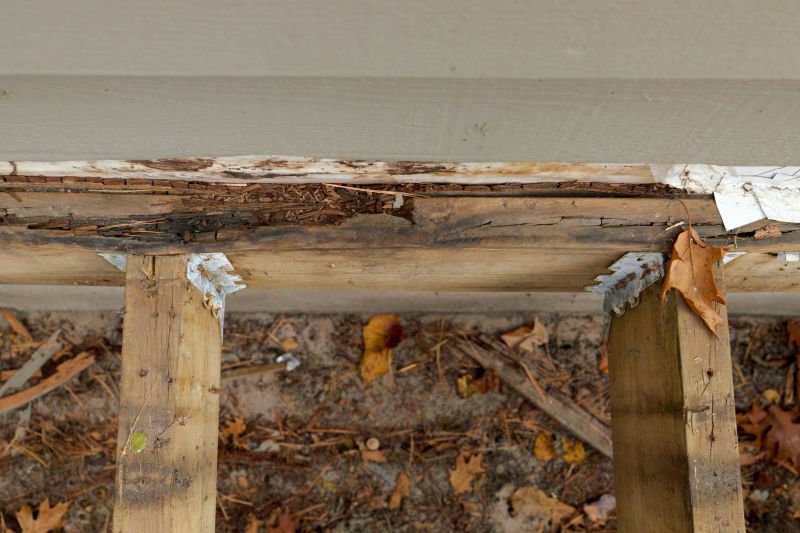
Preventative Maintenance
Regular inspections and prompt repairs help protect wood structures from future decay and damage.
Wood Decay Removal in Kansas City, KS

Wood decay removal services focus on identifying and eliminating damaged or rotting wood components in residential properties. This includes treating areas affected by fungi, moisture intrusion, or insect activity that compromise the structural integrity of features such as decks, porches, fences, and siding. Property owners typically seek this service to prevent further deterioration, maintain safety, and preserve the appearance of their homes. Understanding the extent of the decay, the types of wood involved, and the best methods for treatment are common considerations before requesting removal services.
Before requesting wood decay removal, homeowners often want to know what the process involves, including whether affected wood needs to be replaced or if treatment can restore the existing material. It’s also useful to understand the causes of decay, such as moisture issues or pests, to prevent future problems. Clarifying the scope of work, potential repairs, and maintenance recommendations can help property owners make informed decisions about protecting their investment and ensuring long-term durability of their wood structures.
Many property owners in Kansas City, KS look into Wood Decay Removal for repairs, replacements, upgrades, and appearance-related improvements.
Common Wood Decay Removal Jobs
Wood decay removal - eliminates compromised wood to prevent further structural damage.
Fungal and mold cleanup - removes mold and fungi that contribute to wood deterioration.
Rot repair - restores weakened wood to maintain the integrity of the property.
Infected wood treatment - applies treatments to halt ongoing decay processes.
Damage assessment - identifies areas affected by decay for targeted removal.
Preventative solutions - implements measures to reduce future wood decay risks.
Wood Decay Removal Questions
What causes wood decay in structures? Wood decay is typically caused by moisture exposure combined with fungi, leading to weakened and damaged wood components.
How can wood decay be identified? Signs include soft, spongy wood, discoloration, mold growth, and the presence of wood-dwelling insects.
Is removal necessary for all types of wood decay? Removal is recommended when decay has compromised the structural integrity of the wood or poses safety concerns.
What areas are commonly affected by wood decay? Commonly affected areas include decks, fences, siding, window frames, and roof structures.
Request Wood Decay Removal in Kansas City, KS
Use the quote form on this page to share the basics of your project and request more information for the type of work you need.